
Work on the Great Barrier Reef: Jobs, Working Holidays & Where to Start
Imagine finishing work, kicking off your shoes and being minutes away from the Great Barrier Reef.
For plenty of travellers, moving to Australia means Sydney, Melbourne or maybe a season in a ski town.
But there’s another version.
One with boats, island resorts, palm trees, tropical Queensland and days off spent somewhere most people travel halfway across the world to see.
If you’re planning a working holiday in Australia, the Great Barrier Reef region is well worth putting on your radar.
So, what kind of jobs are actually out there?
A lot more than you might think.
The Great Barrier Reef tourism industry supports everything from island resorts and dive operators to sailing companies, restaurants, hotels and tour businesses.
Depending on your experience and qualifications, you might find work in:
hospitality
housekeeping
reception and guest services
restaurants, cafés and bars
resort operations
retail
tourism and activity coordination
boat crew and deckhand roles
photography
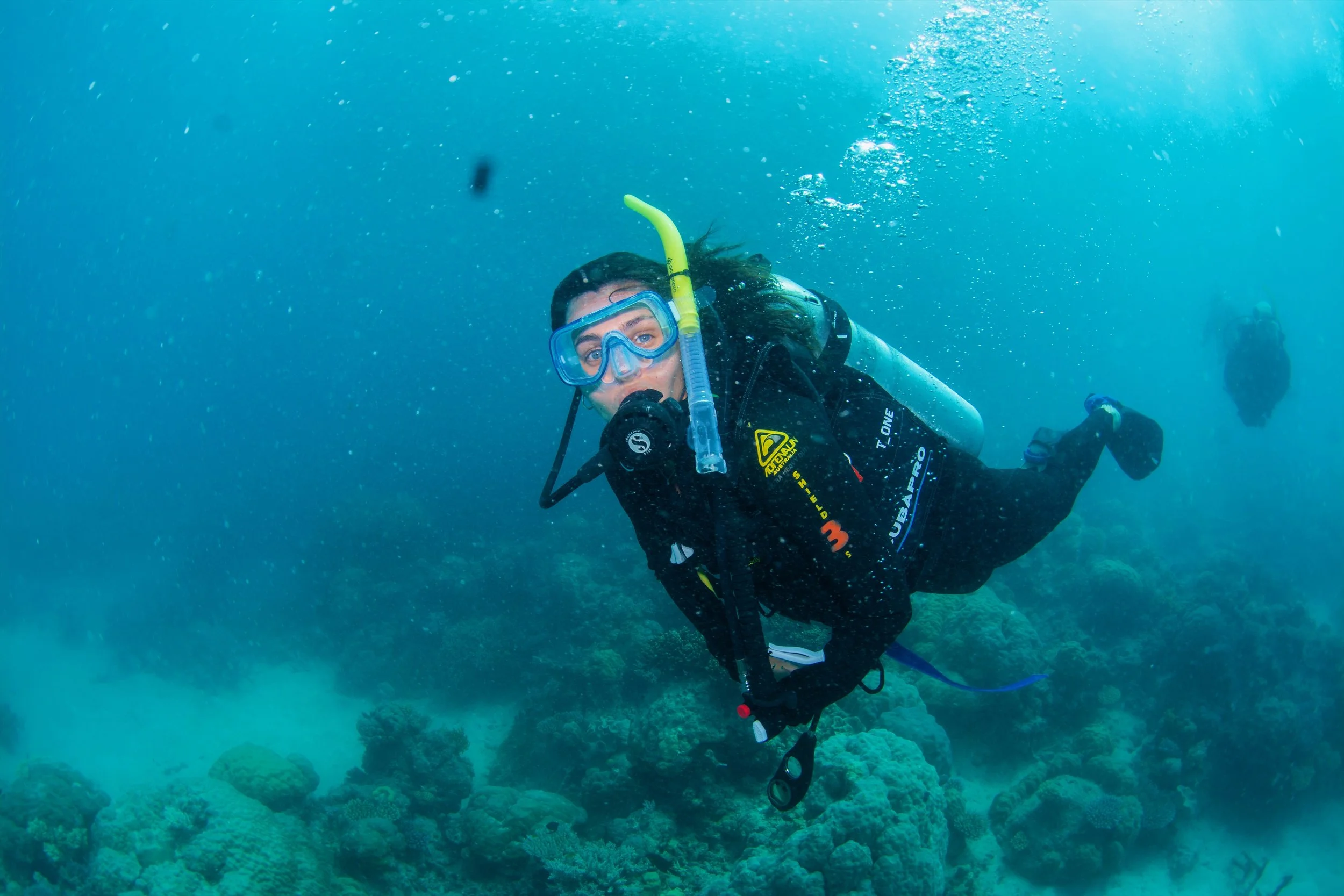
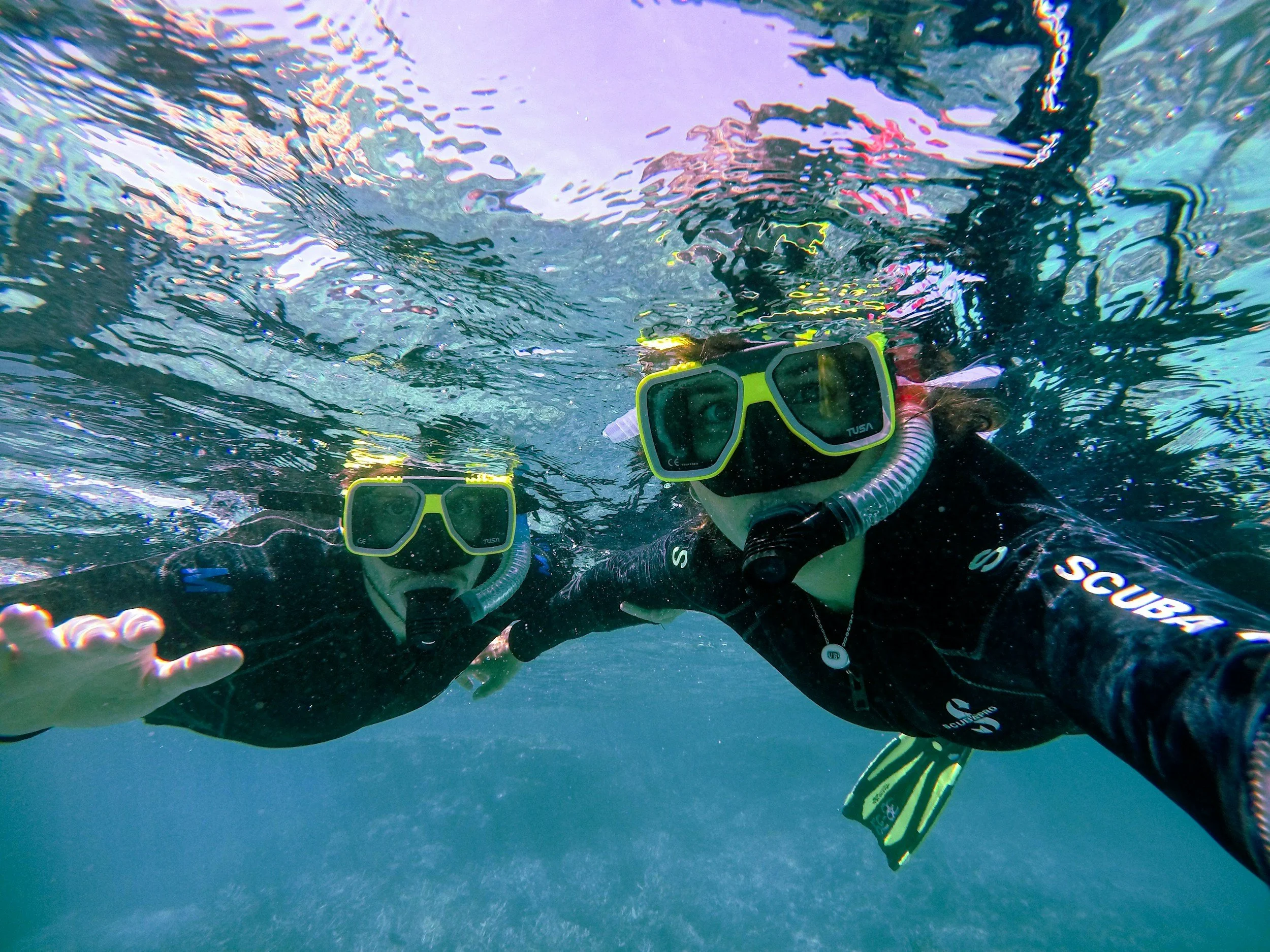
dive and snorkel operations
kitchen roles
maintenance and general operations
Some marine roles require recognised qualifications or certifications, while many hospitality and tourism jobs are much more accessible to travellers with customer service experience, reliability and a willingness to get stuck in.
Tourism Australia specifically highlights places such as Airlie Beach for hospitality, resort and marine tourism work, including opportunities for deckhands, hosts and qualified divemasters.
Where should you look?
Cairns
Cairns is probably the obvious place to start.
It’s one of Australia’s major gateways to the Great Barrier Reef and has a huge tourism industry built around reef trips, diving, accommodation, hospitality and adventure tourism.
It’s also a well-established backpacker destination, which means employers are generally familiar with travellers coming through on working holiday visas.
Port Douglas
A little further north, Port Douglas has a smaller and more polished feel.
Think resorts, restaurants, boutique accommodation and reef operators.
If you prefer something slightly quieter than Cairns while still being right in the tourism industry, it’s worth a look.
Airlie Beach & the Whitsundays
This one feels almost unfair.
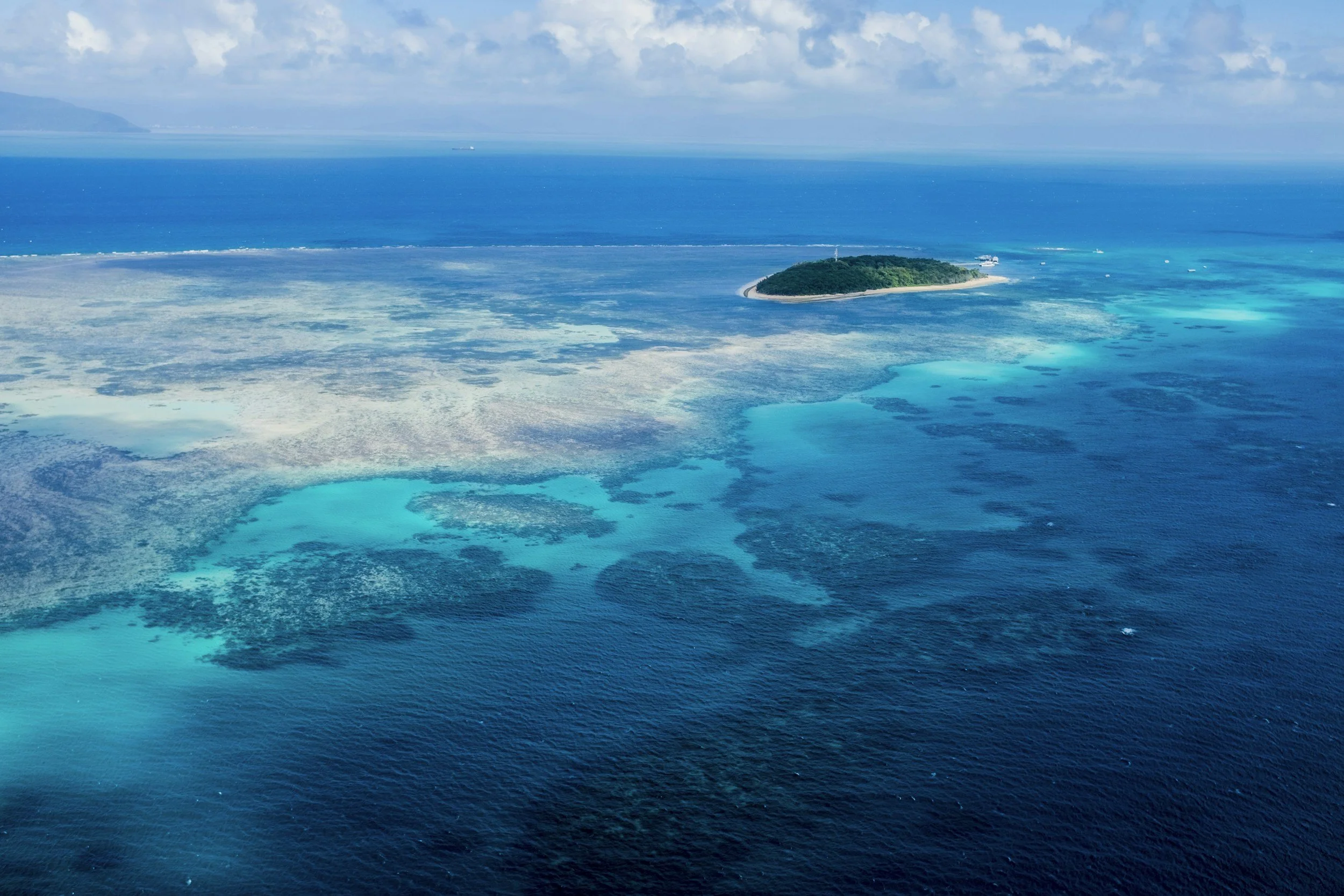
Airlie Beach is the jumping-off point for the Whitsunday Islands, sailing trips and some seriously ridiculous scenery.
The area has a strong hospitality and tourism industry, with opportunities across restaurants, bars, accommodation, resorts and marine tourism.
There are also island resorts throughout the Whitsundays, which can mean living and working somewhere very different from your typical Australian city experience.
Can Working Holiday Makers work in these jobs?
Australia’s Working Holiday Maker program includes the Working Holiday visa (subclass 417) and Work and Holiday visa (subclass 462).
The program allows eligible young adults from participating countries and jurisdictions to spend an extended holiday in Australia while undertaking short-term work and study. Australia currently has arrangements with more than 40 partner countries and jurisdictions.
Working Holiday Makers can generally work in any occupation or industry while they are in Australia, subject to the conditions attached to their visa.
One of the best things about tourism and hospitality right now is that these industries are currently included in an exemption to the usual six-month limitation on working for the same employer.
Does working near the Reef automatically count toward another Working Holiday visa?
No — and this is an important one.
Working somewhere regional, tropical or close to the Great Barrier Reef does not automatically mean that the job counts as specified work for a second or third Working Holiday Maker visa.
Specified work requirements depend on factors including your visa subclass, the type of work you’re doing and where the work is performed.
The Department of Home Affairs has separate specified-work rules for subclass 417 and subclass 462 visa holders.
So if completing specified work is part of your plan, check the current requirements before accepting a job rather than assuming a particular tourism or hospitality position will qualify.
Do you need experience?
Not necessarily.
If you’re applying for a technical marine job, employers may require specific qualifications, licences or certifications.
But for plenty of hospitality, resort and tourism roles, transferable experience matters.
Employers are often looking for people who are:
reliable
comfortable dealing with customers
flexible with shifts
willing to work weekends
confident communicating in English
able to commit for a reasonable period
positive and easy to work with
Hospitality, retail, customer service and tourism experience can all translate well.
And if you’re applying for work in Australia, having a clean, easy-to-read Australian-style résumé can make a big difference.
Don’t just wait for the perfect job ad
One of the biggest mistakes travellers make is applying for three dream jobs online and then waiting.
Build yourself a list.
Look at:
reef tour operators
dive companies
island resorts
hotels
hostels
sailing companies
tourism operators
restaurants
bars
cafés
activity providers
Apply directly as well as through job boards.
And once you’re actually in the area, don’t underestimate the value of introducing yourself in person. Tourism and hospitality businesses can sometimes need people quickly, particularly during busy periods.
Sort your visa before you build your life around the job
Before planning the move, make sure you understand which Australian visa — if any — is available to you and what conditions come with it.
The Working Holiday Maker program is divided between subclasses 417 and 462, and requirements differ depending on passport nationality.
Some countries also have caps or ballot arrangements for first Work and Holiday subclass 462 visas. These arrangements can change between program years.
The Drift take
Moving to Australia doesn’t have to mean moving to a major city and finding the same kind of job you had back home.
Your working holiday could look completely different.
Maybe it’s an island resort.
Maybe it’s pouring beers in Airlie Beach.
Maybe it’s working reception in Cairns and spending your days off diving.
Maybe it’s six months on boats before heading somewhere completely different.
That’s kind of the point.
Australia is enormous, and a working holiday gives you the chance to build a version of life here that actually feels like an adventure.
And if tropical Queensland is calling your name, working around the Great Barrier Reef might be a very good place to start.
Need help figuring out where to begin?
Drift Visa can help you get organised and connect you with the appropriate migration professionals where advice is required.
Stamped for adventure.
This article provides general information only and is not migration or legal advice. Australian visa requirements and conditions can change. Always check the current Department of Home Affairs requirements or seek advice from an appropriately authorised professional for your individual circumstances.